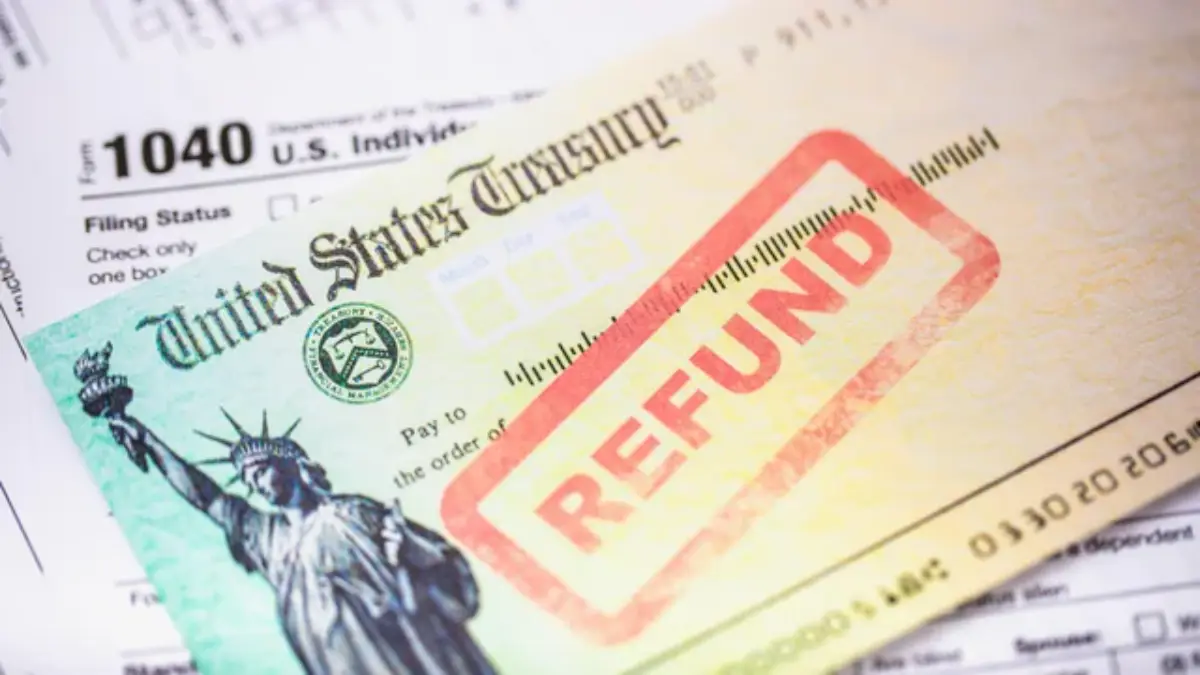
Millions of Americans are preparing for IRS refund payments expected to arrive by mid-February. If you have already filed your tax return or plan to file soon, understanding how the refund process works and how to track your deposit can help you avoid confusion and delays.
This step-by-step guide explains what to expect, how to check your status correctly, and when your refund may reach your bank account.
Step 1: File Your Tax Return Accurately
Your refund timeline begins only after your return is filed and accepted. Filing electronically greatly reduces processing time compared to paper returns.
To help ensure a smooth process, confirm that your personal information, income details, and filing status are correct. Errors or mismatched information can lead to additional review and delay mid-February payments.

Step 2: Choose Direct Deposit for Faster Refunds
Direct deposit is the fastest and most secure way to receive an IRS refund. Taxpayers who select direct deposit typically receive payments sooner than those who request mailed checks.
Incorrect or incomplete bank details can slow delivery, so it is important to verify routing and account numbers before submitting your return.
Step 3: IRS Processing and Review
Once accepted, your return is processed by the Internal Revenue Service. During this stage, income is verified, credits are reviewed, and fraud prevention checks are completed.

Most electronic returns are processed within 21 days, placing many refunds in the mid-February payment window.
Step 4: Track Your Refund Status
You can track your refund using official IRS tools. Your status will usually move through these stages:
Return received
Refund approved
Refund sent
Updates are typically made once per day. If your status shows “processing,” it means your return is still under review and no action is required unless the IRS contacts you.
Step 5: Understand Why Some Refunds Arrive Later
Not all refunds are released on the same date. Payments may take longer if your return includes refundable credits, income adjustments, or requires identity verification.
Bank processing times can also affect when funds appear in your account, even after the IRS has issued the payment.
Step 6: Watch for Mid-February Deposits
If your return is approved in early February, your refund may arrive around mid-February depending on IRS release timing, weekends, and bank posting schedules.

Some banks show pending deposits before the funds are officially available.
Step 7: What to Do If Your Refund Is Delayed
If your refund has not arrived after the standard processing period, avoid filing duplicate returns or submitting unnecessary amendments. These actions can cause further delays.
If additional information is needed, the IRS will notify you directly by mail.

Refund Outlook for Mid-February
Most eligible taxpayers who file electronically and choose direct deposit can expect refunds to begin arriving by mid-February. While some returns may require extra review, the majority are processed within the normal timeframe.